Compare Local Contractors for Handicap Remodeling Projects
Compare local contractors to define project scope, verify experience, and set clear expectations for your handicap remodeling needs.
Handicap remodeling services generally encompass modifications and installations that improve accessibility and safety within a property. This can include widening doorways, installing ramps or lifts, modifying bathrooms for easier use, and updating flooring to reduce tripping hazards. Such projects aim to create a more functional environment tailored to individual mobility needs, often requiring careful planning to ensure the space meets specific accessibility standards and personal preferences. Understanding the scope of work involved helps property owners identify what adjustments are necessary and ensures that the remodeling efforts effectively address those needs.
Defining the scope of a handicap remodeling project is a crucial step in ensuring the work aligns with the property owner’s expectations and requirements. Clear communication about what modifications are needed, as well as the desired outcomes, helps prevent misunderstandings and scope creep. Documenting these details in writing provides a reference point for both property owners and contractors, facilitating smoother project management. A well-defined scope also assists in verifying that service providers have the relevant experience and capabilities to handle the specific modifications, contributing to a more predictable and satisfactory remodeling process.
When comparing local contractors for handicap remodeling, property owners should consider several practical factors. It’s important to review the experience of service providers with similar projects, ensuring they understand the unique challenges involved in accessibility modifications. Verifying the scope of work that each contractor offers and how they plan to approach the project can help identify the most suitable candidate. Additionally, checking references or seeking recommendations can provide insights into the quality of work and professionalism. By focusing on these practical aspects, property owners can make informed decisions and select service providers capable of delivering the desired remodeling outcomes.
Compare local contractors by outlining priorities, verifying experience, and setting clear expectations in writing.
- Compare Contractor Credentials - Review the experience and background of local contractors to ensure they meet project needs.
- Define Project Scope Clearly - Establish detailed work descriptions to set accurate expectations for the remodeling.
- Verify Past Work and References - Request examples of previous handicap remodeling projects to assess quality and suitability.
- Document Agreements in Writing - Ensure all project details, expectations, and responsibilities are clearly outlined in a contract.

Clearly define your handicap remodeling project to effectively compare service providers, verify experience, and set written expectations.
- Verify the experience and specialization of local contractors in handicap remodeling services. Ensure they have a clear understanding of accessibility standards and design requirements.
- Compare multiple service providers to evaluate their scope of work and offered services for the project. Clarify what is included in their remodeling solutions to meet specific accessibility needs.
- Review the scope of work in writing to establish clear expectations and project details. Confirm that all tasks, materials, and finishes are documented before work begins.
- Assess the communication style and responsiveness of potential contractors during the consultation process. Choose service providers who provide clear, detailed explanations and listen to specific needs.
- Check references or reviews to gauge the quality of previous handicap remodeling projects completed by local contractors. Gather feedback on their professionalism, workmanship, and ability to meet accessibility requirements.
- Ensure that the proposed plan includes compliance with relevant accessibility guidelines and standards. Confirm that the scope aligns with the necessary regulations for handicap accessibility.
Use this to compare local contractors, clarify project scope, verify experience, and set clear expectations.
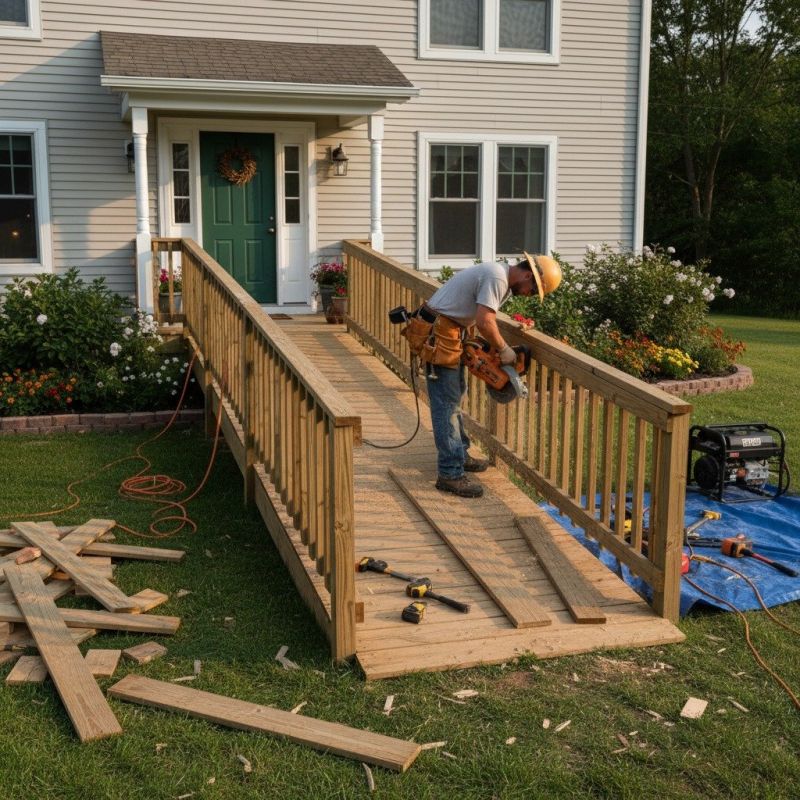



A clear scope and consistent comparison criteria help ensure you evaluate local contractors effectively for handicap remodeling.
- Define project scope - outline the specific remodeling tasks and features needed to improve accessibility.
- Verify experience and expertise - ensure service providers have relevant experience with handicap remodeling projects.
- Compare credentials and references - review qualifications and seek references to assess the quality of past work.
- Establish clear expectations in writing - document the scope, materials, and standards to prevent misunderstandings.
- Assess communication and professionalism - evaluate how effectively service providers respond and address project details.
When comparing contractors for handicap remodeling projects, it’s important to consider their experience with similar types of work. Service providers who have completed projects comparable in scope and complexity are more likely to understand the specific accessibility requirements and challenges involved. Asking about their past work with clients who had similar needs can provide insight into their familiarity with relevant building codes, design considerations, and practical solutions. An experienced contractor can help ensure that the remodeling meets functional needs while adhering to safety standards.
A clear, written scope of work is essential for setting expectations and avoiding misunderstandings. When evaluating contractors, seek detailed descriptions of the tasks they will perform, including specific modifications, materials, and finishes. A well-defined scope helps to establish a shared understanding of the project’s goals and deliverables. It also provides a foundation for assessing whether the proposed work aligns with individual accessibility needs and preferences, making it easier to compare options objectively.
Verification basics involve confirming a contractor’s background and track record through practical measures. This can include reviewing references from previous clients, examining examples of completed projects, and verifying their familiarity with relevant accessibility standards. It’s also helpful to inquire about their process for managing project timelines, communication, and problem-solving. These steps can help ensure that the service providers under consideration are capable of delivering quality work that aligns with the project’s scope and requirements.
When evaluating options for handicap remodeling services, it’s important to focus on the details that demonstrate competence and reliability. Compare the clarity of the scope of work, the contractor’s experience with similar projects, and the transparency of their communication. Asking for detailed proposals or written descriptions can help reveal how well each service provider understands the project needs. By carefully reviewing these aspects, homeowners can make informed decisions and select local contractors who are best suited to handle their accessibility modifications effectively.
Ask contractors for written scope details to ensure clear expectations and consistent project understanding.
- Experience and Credentials - What relevant experience and qualifications do the local contractors have with handicap remodeling projects?
- Scope of Work - How clearly do the contractors define and outline the specific services and modifications included in the project?
- Comparison of Services - How do the service offerings and approaches of different local contractors differ when addressing accessibility needs?
- Work Scope Documentation - Are the project scope and expectations clearly documented in writing before work begins?
- Specialization and Capabilities - Do the local service providers have the specialized skills necessary to handle the unique requirements of handicap remodeling?
How can I compare different contractors for handicap remodeling? Review their experience, request detailed written scope of work, and check references to ensure they understand your specific accessibility needs.
What should I consider when defining the scope of a handicap remodeling project? Clearly outline the specific modifications or features needed, including accessibility requirements and any design preferences, to help contractors provide accurate proposals.
How do I verify a contractor's experience with handicap remodeling projects? Ask for examples of similar work, inquire about their familiarity with accessibility standards, and review any available project portfolios or references.
Why is it important to have the project scope and expectations in writing? Having detailed agreements helps prevent misunderstandings, ensures all parties are aligned on the work to be done, and provides a clear basis for project planning.
What questions should I ask potential service providers during the selection process? Inquire about their experience with handicap modifications, their approach to project management, and how they handle unexpected issues or changes during the project.
How can I ensure that the contractor understands my accessibility needs? Communicate your requirements clearly, provide detailed descriptions or drawings, and confirm that the contractor has experience with similar modifications before proceeding.
This page has provided an overview of how to find qualified contractors for handicap remodeling projects. Visitors learned the importance of clearly defining the scope of work, verifying the experience of service providers, and setting expectations in writing to help make informed decisions. Comparing multiple local contractors can help identify options that best meet individual needs and preferences.
Using the provided quote form allows for easy comparison of local service providers, helping to connect with experienced contractors capable of handling handicap remodeling jobs. Taking the time to evaluate different options can support finding a contractor that aligns with specific requirements and project goals.